 Trending in the US
FACT CHECK: In Germany, They Don't Treat Plantar Fasciitis With Orthotics.
A pain specialist checked the claim. What he found explains why orthotics, ice and cortisone keep failing, and why your heel pain keeps coming back.
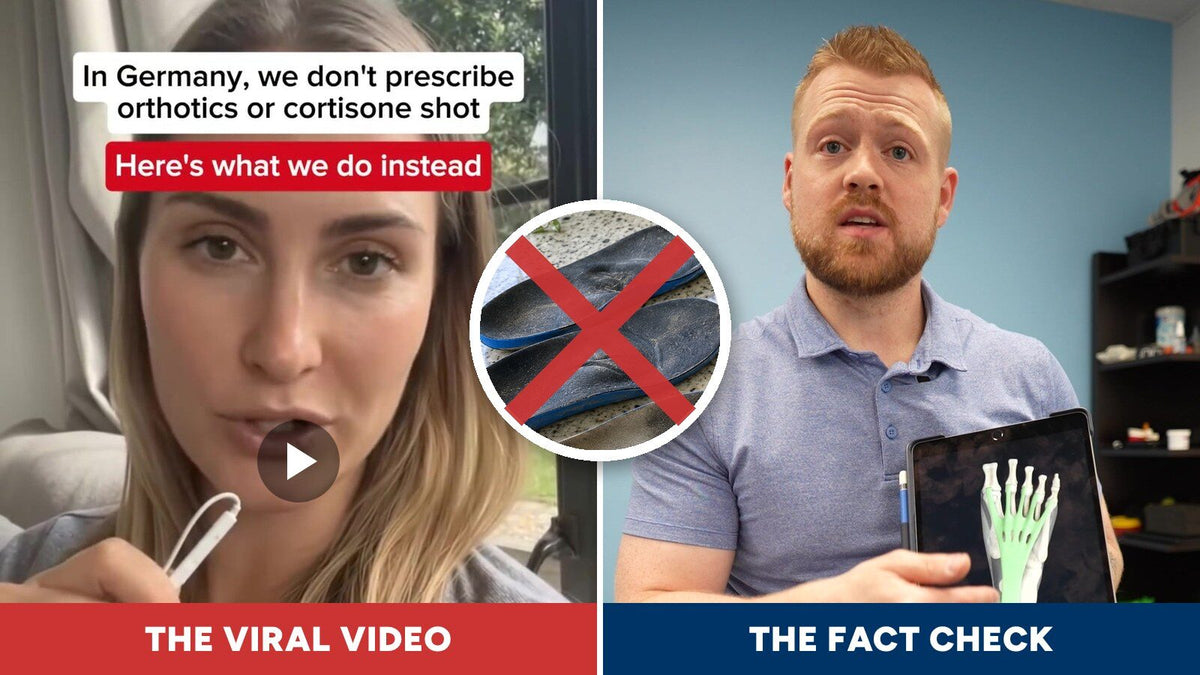

"In Germany, we don't treat plantar fasciitis with orthotics."
That's the line my patients kept sending me this month.
Some of them sent it three or four times.
And I get why…
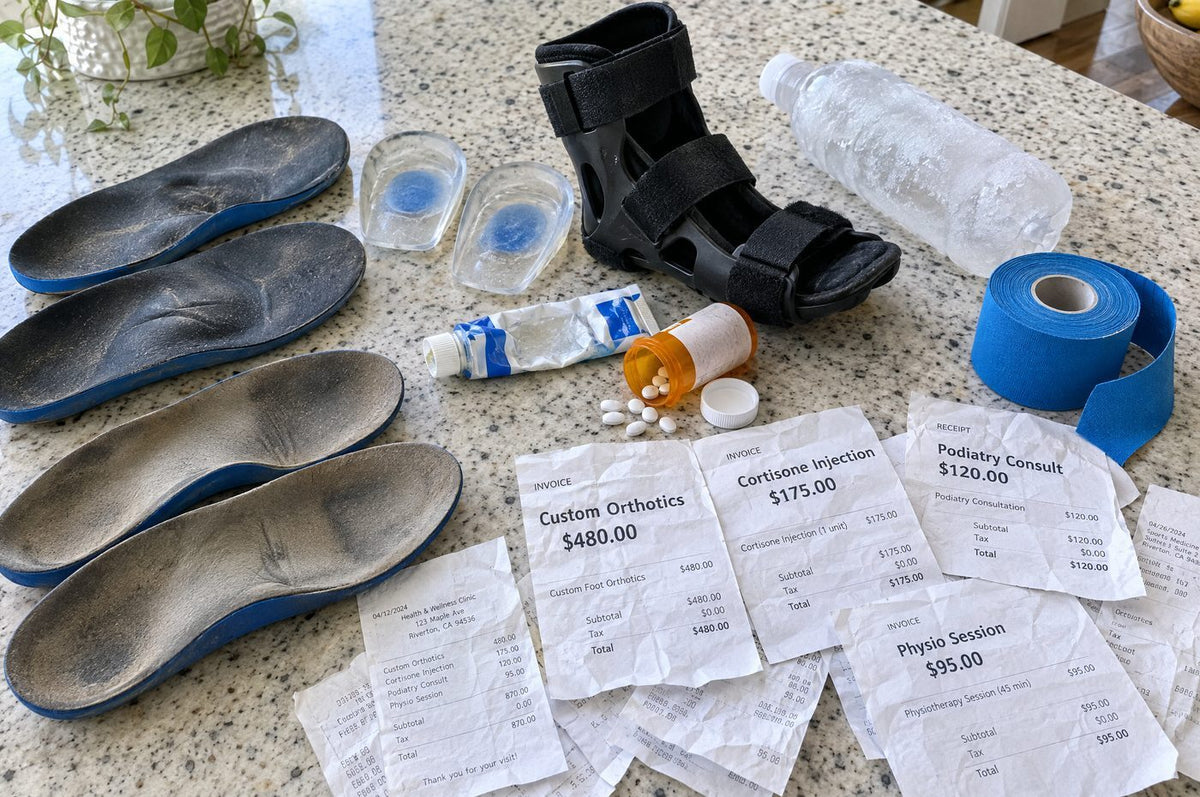
If you've had plantar fasciitis for more than a few months, you've been through the full American treatment plan.
- The custom orthotics.
- The frozen water bottle and the stretches.
- The night splint you end up kicking off halfway through the night.
Maybe a cortisone shot or two as well.
And for a little while, it feels better.
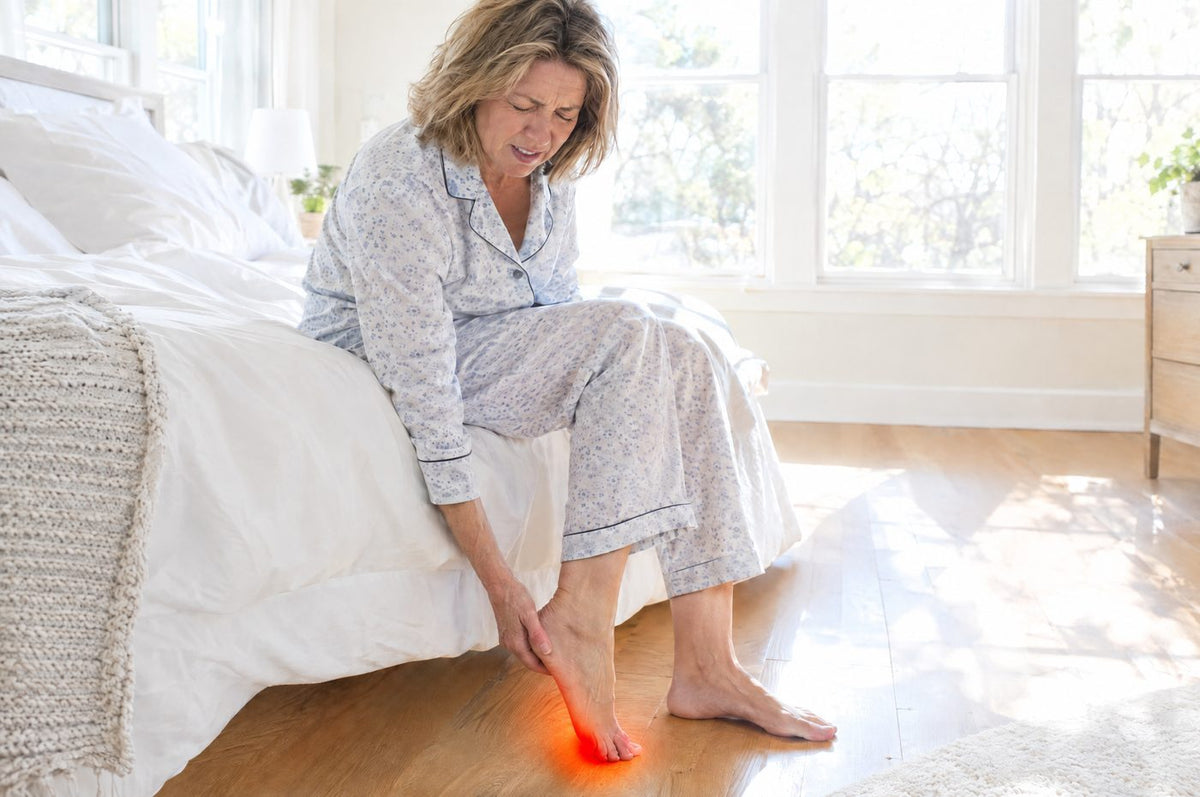
Then that stabbing pain comes screaming back the next time you step out of bed.
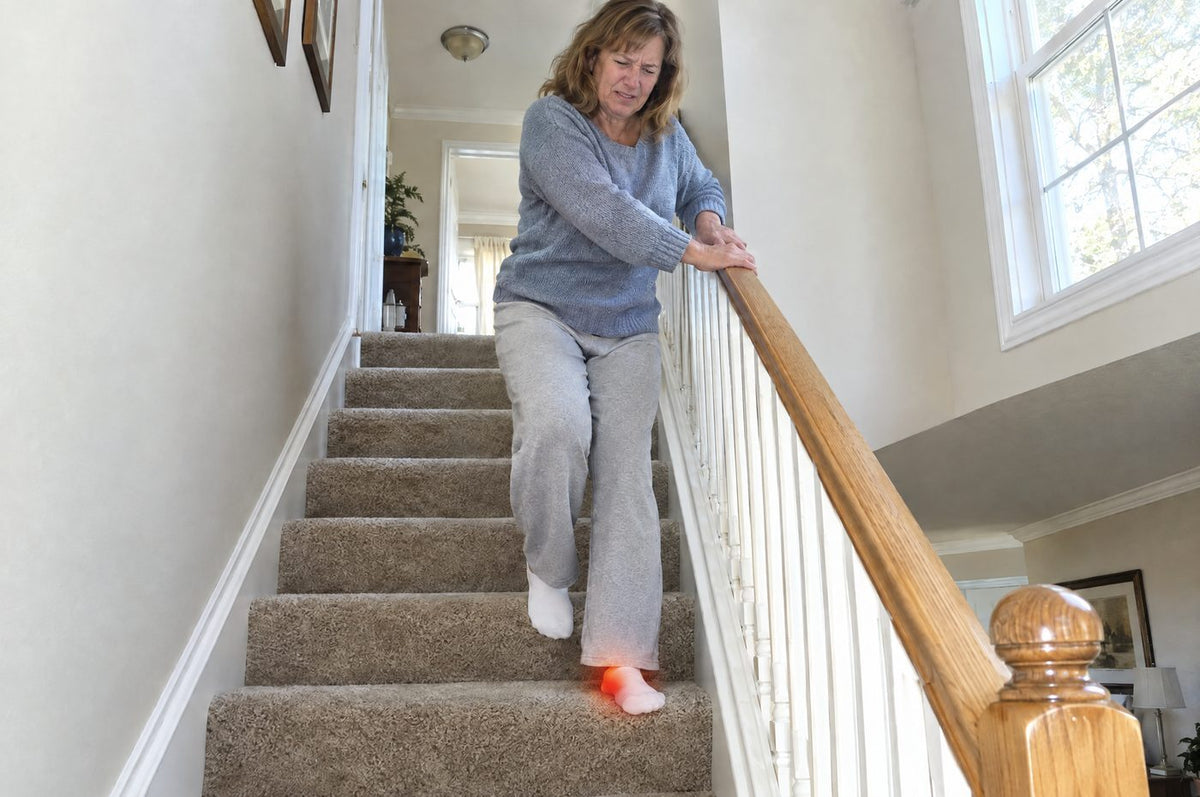
You hold on to the rail for dear life going down the stairs.
By the end of the day, you're hobbling around your own house.
And you're icing it almost every night.
So when someone says an entire country does it differently…
You want to know if it's true.
So did I.
So I looked into it
I'll be honest.
My first reaction was that it sounded like an exaggeration.
So I went through the research, the German treatment rules, and the studies on what's actually happening inside a heel that won't heal.
My verdict?
It's true… mostly.
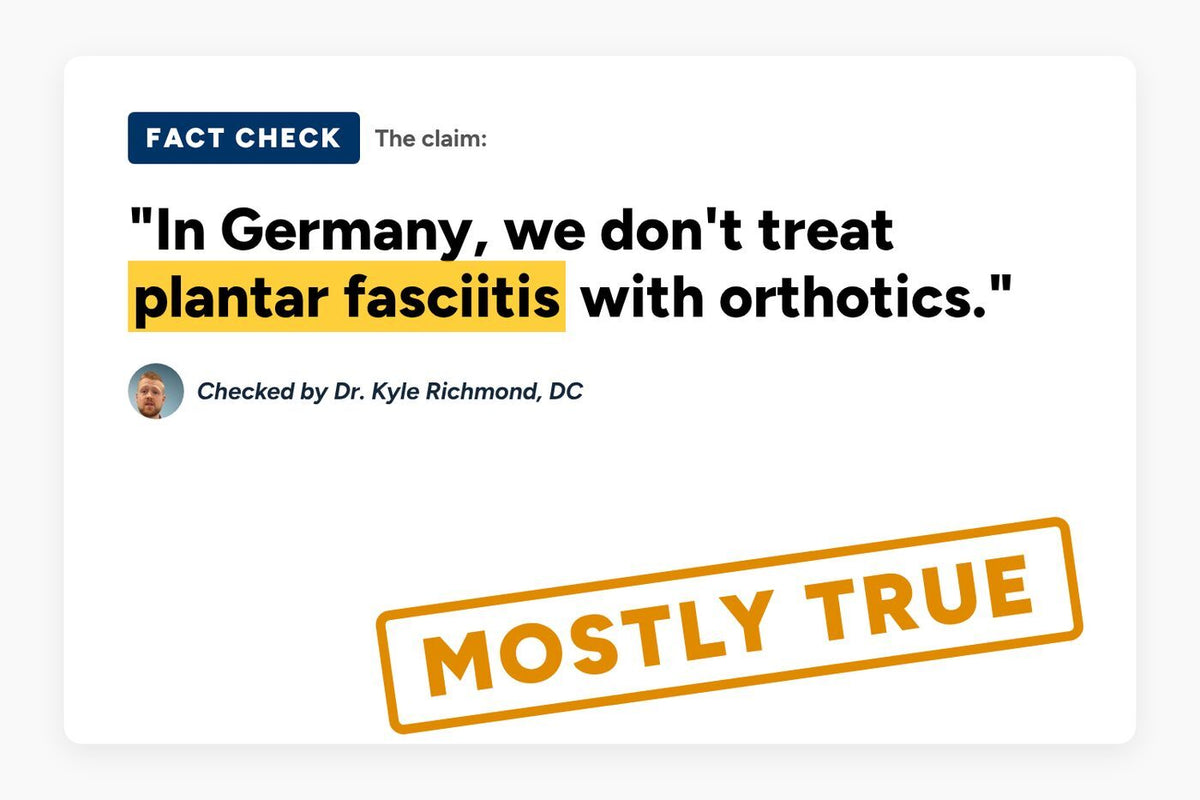
The orthotics part is overstated. German doctors do sometimes hand out insoles.
But the bigger point behind it is right…
And it explains why so many of my patients spend years on treatments that were never going to work.
Here's what it gets right…
Plantar fasciitis isn't an inflammation problem… it's a degeneration problem.
For decades, we've been told plantar fasciitis means your fascia is inflamed.
It's right there in the name. The "-itis" literally means inflammation.
That's why the advice is always the same: ice it, rest it, take anti-inflammatories, and if that doesn't work, get a cortisone shot.
Here's the crazy part…
When researchers looked inside the heels of people with long-term plantar fasciitis, they didn't find inflammation.
In one study published in the Journal of the American Podiatric Medical Association, researchers examined 50 tissue samples from chronic sufferers.
Not ONE showed signs of inflammation.
What they found instead was tissue breaking down.
The collagen fibers that make up your fascia were frayed and falling apart, like a rope worn through right where it's tied to the post.
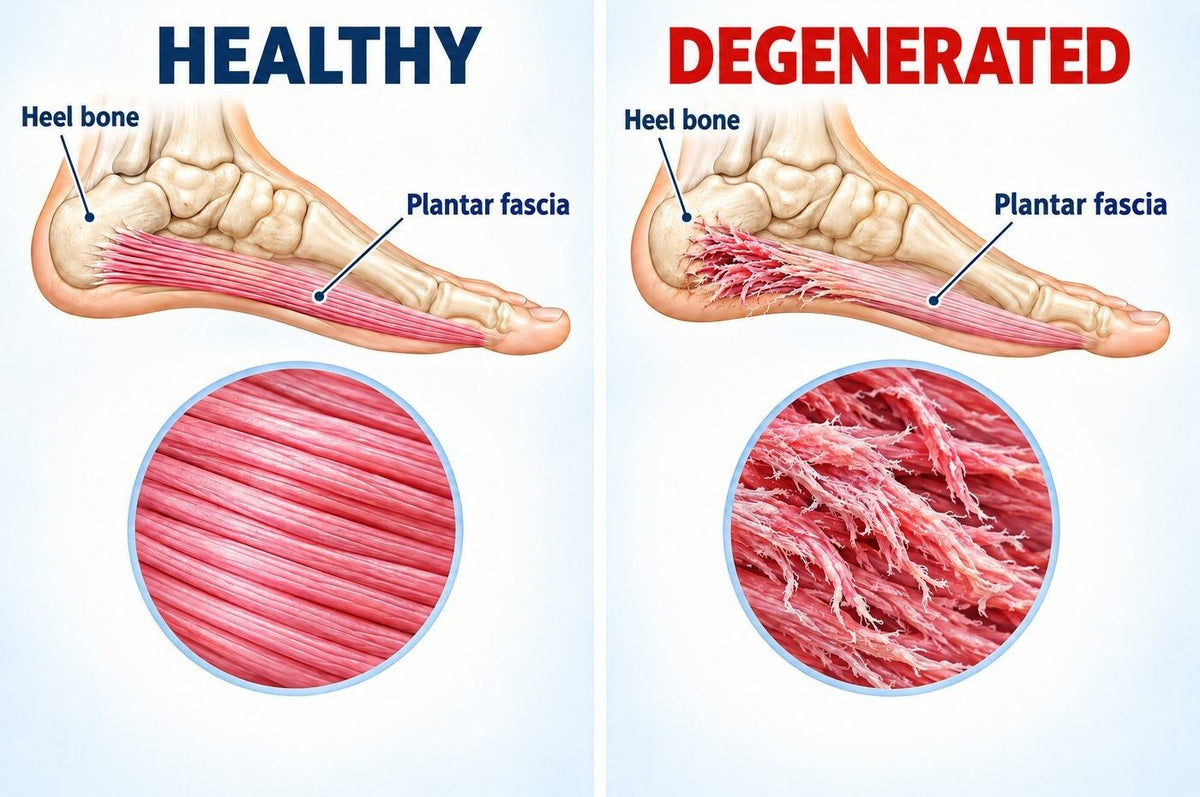
It even has a different name now.
It's called plantar fasciosis.
The American Family Physician journal, read by family doctors across the country, now describes it as "a degenerative fasciosis without inflammation, not a fasciitis."
Meaning…
You've been treating the wrong problem.
And that explains something almost every patient tells me…
"It gets better… then it comes right back"
Sound familiar?
If your problem isn't inflammation, then every treatment built to fight inflammation does the SAME thing.
It dulls the pain for a while.
Then it wears off, and you're right back where you started.
Here's what the research says about the treatments you've already tried:
- Cortisone shots: in a study in the British Medical Journal, the relief faded after about four weeks. A review of 39 trials found no real benefit after the first month.
- Custom orthotics: in a clinical trial, they did no better than a fake padded insert for pain at 12 months.
- Ice and anti-inflammatories: they're made to calm inflammation, but there's no inflammation to calm.
- Rest: it takes the pressure off, but resting a tissue that's breaking down doesn't rebuild it.
And here's the part that worries me most…
Cortisone can make it WORSE.
The Mayo Clinic warns that repeated cortisone shots can weaken the plantar fascia and thin the cushioning in your heel.
In one study of patients who tore their plantar fascia, 44 out of 51 tears happened after a cortisone injection.
So the shot that gave you three good weeks may be weakening the very tissue that's already breaking down.
Which brings me to the question I get asked the most…
"If I just wait it out, won't it heal on its own?"
Why your heel can't heal on its own
Most tissue in your body heals because your blood carries in what it needs to repair itself.
The problem is…
The spot where your plantar fascia anchors into your heel bone has no blood vessels of its own.
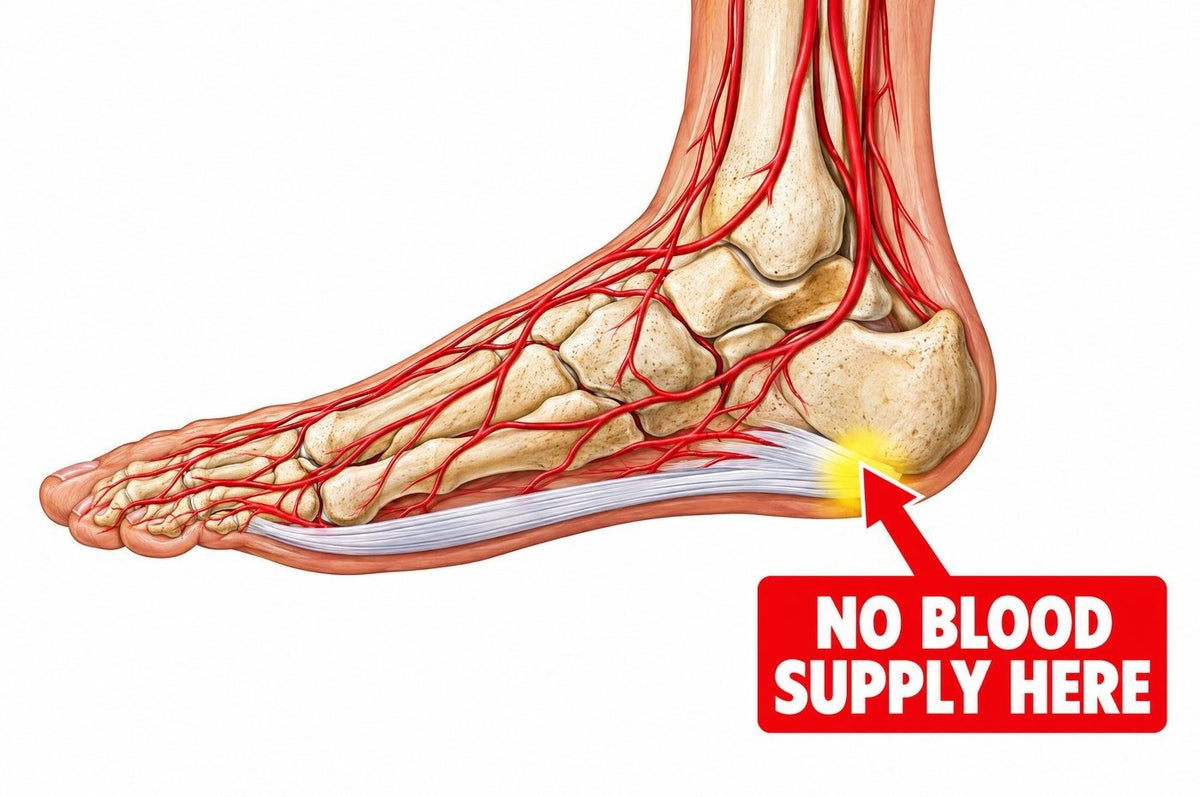
When researchers studied that attachment under a microscope, they couldn't find a single blood vessel inside it, even in healthy feet.
So every step you take frays it a little more…
And your body can't rebuild it fast enough to keep up.
That's why it drags on for months, then years.
A long-term study followed 174 plantar fasciitis patients for up to 15 years.
Half still had symptoms five years later. Almost as many still had them at 15 years.
Waiting it out isn't a plan.
So if cushioning it doesn't work, and waiting doesn't work…
What do German doctors actually do?
What German doctors do instead
This is where the claim gets interesting.
Yes, insoles are still used in Germany.
But that's where the similarity ends.
When insoles and stretching don't fix it, German doctors don't keep repeating them for another year.
They go after the damaged tissue directly.
In 2018, Germany's public health insurance started paying for shockwave therapy for stubborn heel pain. It's a clinic treatment that drives mechanical pulses deep into the sole of the foot.
Germany's national health research institute reviewed 29 studies on it and found proof that it beats a fake treatment for heel pain.
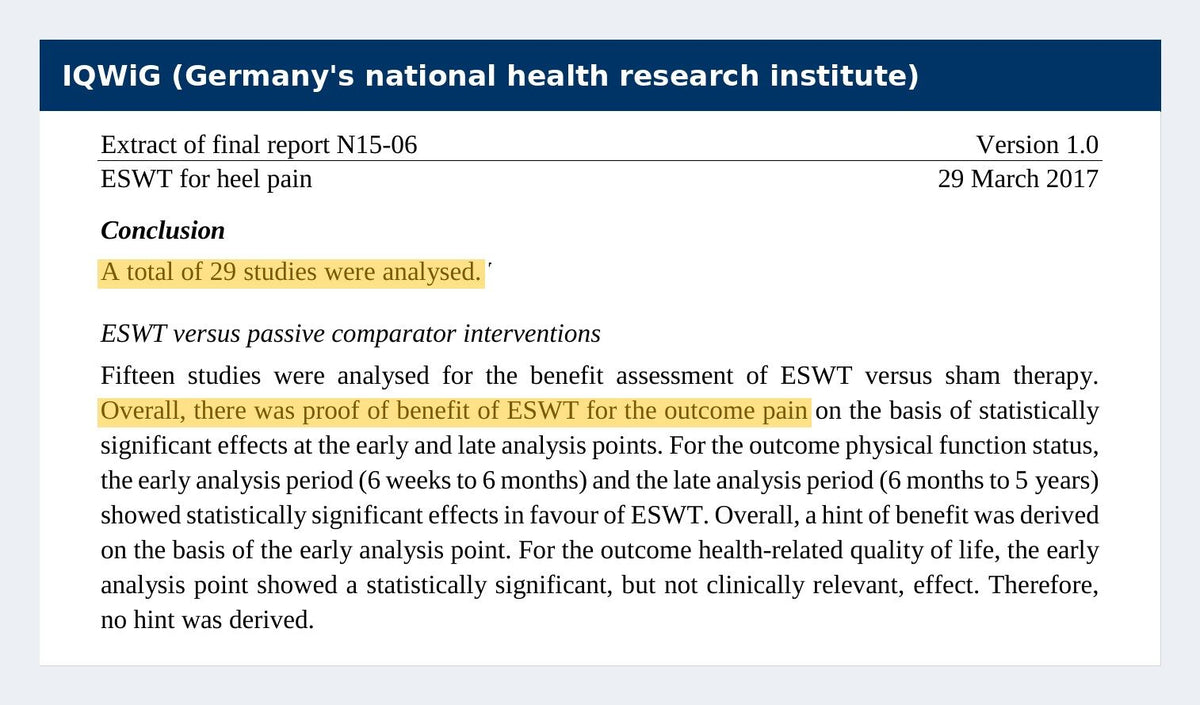
Even the Mayo Clinic says it works by increasing blood flow to the plantar fascia.
The thinking behind it is simple…
Don't cushion the damaged tissue. Stimulate it.
The catch?
Shockwave is expensive, it's done in a clinic, and insurance here often won't cover it.
So I started looking for a way my patients could use the same principle at home, every single day.
The same principle, at home
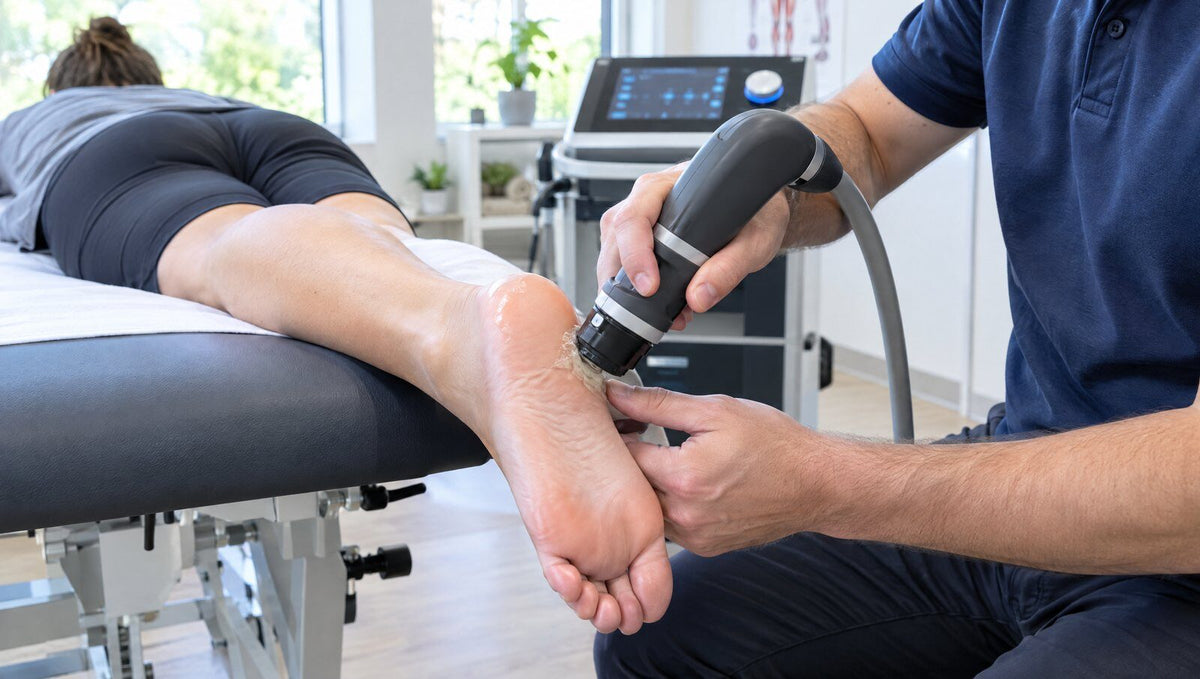
Shockwave works because it combines two things: deep pressure and vibration into the sole.
You can get that same combination at home.
And the research behind it is stronger than most people realize:
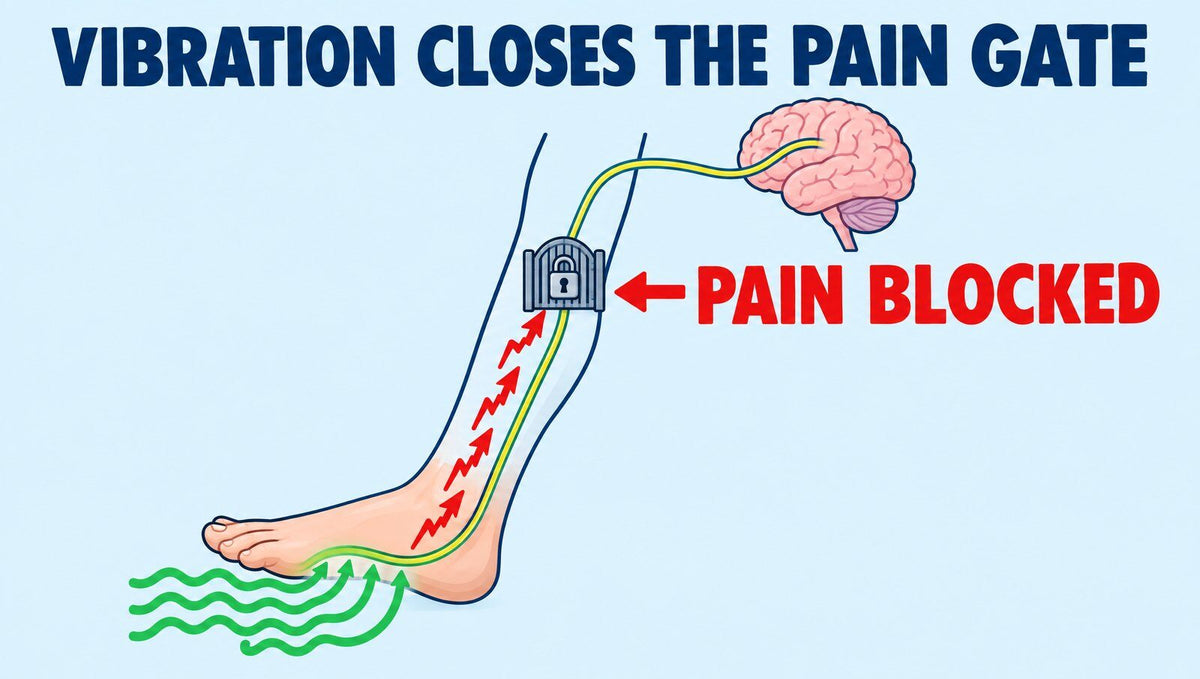
- It blocks the pain signal. Vibration switches on nerves that close the "gate" on pain before it reaches your brain. In a double-blind trial, vibration relieved chronic pain for 48% of patients, compared with 34% on placebo.
- It gets blood moving. Local vibration has been shown to boost circulation in the area within about five minutes.
- It helps plantar fasciitis specifically. In a 2023 clinical trial, adding targeted heel vibration to shockwave treatment led to significantly more pain relief than shockwave alone, plus less thickening of the fascia.
- Physical therapists back it. The US clinical guideline for heel pain gives hands-on soft tissue work its highest grade of recommendation.
Meaning…
10 minutes of the right pressure and vibration every day works on the actual problem in a way an insole never can.
But here's where most people go wrong…
Why your spiky ball didn't work
When I explain this to patients, most of them say the same thing.
"But I already have a massage ball."
The problem is…
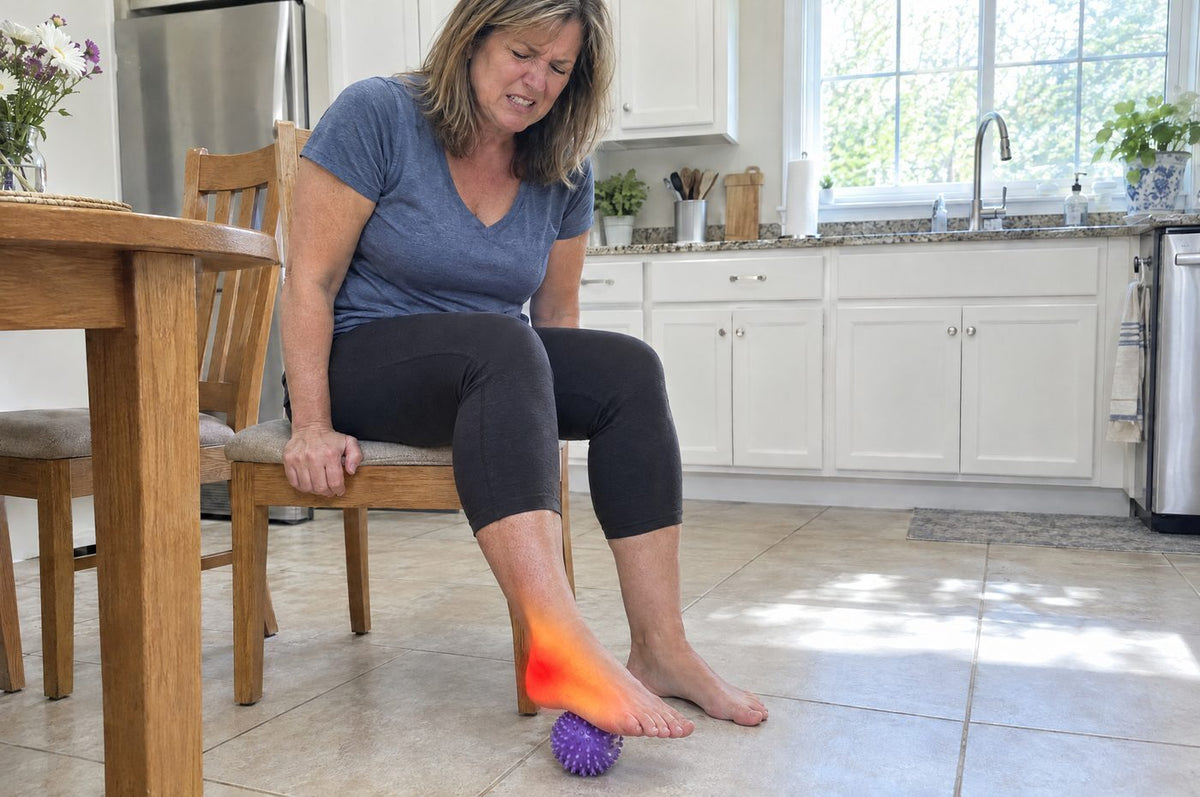
A spiky ball or a frozen water bottle only gives you pressure.
There's NO vibration, so you're missing half of what makes this work.
Researchers tested this directly. A vibrating roller raised people's pain threshold far more than the same kind of roller with no vibration.
- Foam rollers are too soft and smooth to get into the sole of your foot.
- Massage guns? Most physical therapists will tell you not to use them directly on the heel, because they're too aggressive for tissue that's already breaking down.
What you need is both in one device…
Precise pressure points that press into the sole, and vibration that goes deep.
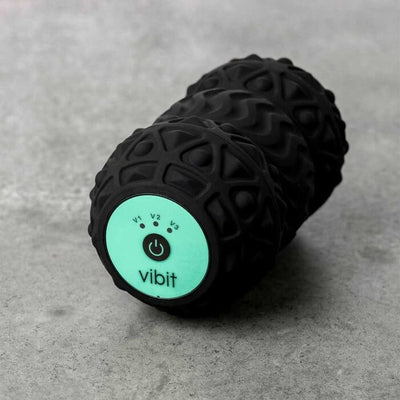
And the one I recommend to my patients is the Vibit Roll.
Introducing the Vibit Roll
After everything I'd read, I knew exactly what I was looking for.
Something that works on the same principle as shockwave… at home.
It needed deep pressure in the right spots, and vibration strong enough to reach the fascia without being too much for a sore heel.
And it had to be something people would actually use every single day.
Most of what I tried missed at least one of those.
The Vibit Roll was the first one that ticked every box.
It's built for the bottom of your foot, not your back.
Instead of one smooth surface, the Roll has 90 precise pressure points spread across three zones.
Each one is placed to hit the trigger areas along your fascia that lock up and hold the most tension.
- The firmer ends press deep into your heel, right where the fascia anchors to the bone.
- The wavy ridges in the middle follow the curve of your arch.
So as you roll, the WHOLE fascia gets worked… from your heel all the way to the ball of your foot.
It's the same "stimulate it, don't cushion it" principle… without the clinic.
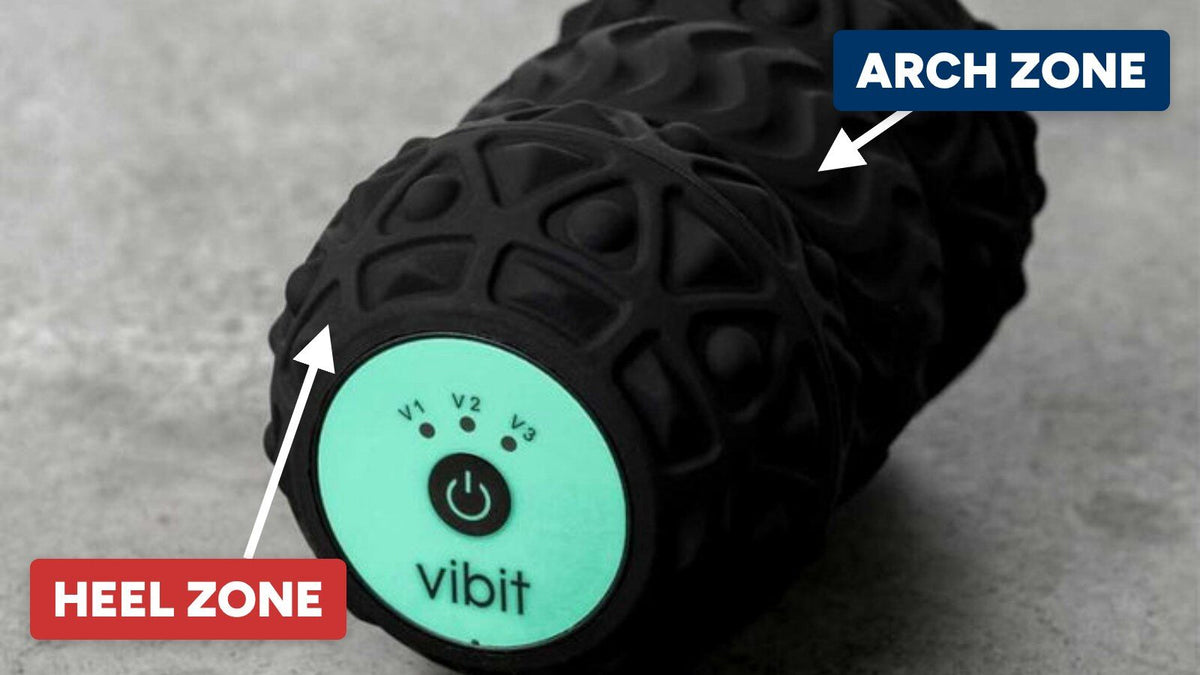
Then the vibration kicks in.
There are four vibration settings, so you can start gentle on a sore heel and turn it UP as the tissue loosens.
That's the exact combination we talked about earlier…
Pressure AND vibration, at the same time, right where the damage is.
And it's so easy you'll actually stick with it.
- You don't have to lie down, strap anything on, or find 30 minutes to stretch.
- Just set it on the floor, rest your foot on top, and roll while you watch TV.
- It's cordless and rechargeable, and it switches itself off after 15 minutes so you can't overdo it.
- Every order comes with my step-by-step tutorial videos, so you know exactly how to use it for plantar fasciitis from day one.
"When patients ask me what they can do between visits, this is what I tell them. Ten minutes in the morning and ten minutes at night. Start with the middle of the roller under your arch, then move the firm end onto your heel. It works the tissue directly, it's easy to stick with, and it doesn't involve another shot."
Dr. Kyle Richmond, DC
How it stacks up against everything else you've tried
| Vibit Roll | Orthotics | Cortisone | Spiky ball | Massage gun | |
|---|---|---|---|---|---|
| Stimulates the damaged tissue | ✓ | ✗ | ✗ | ✓ | ✓ |
| Works heel AND arch at once | ✓ | ✓ | ✗ | ✗ | ✗ |
| Vibration | ✓ | ✗ | ✗ | ✗ | ✓ |
| Gentle enough for a sore heel | ✓ | ✓ | ✗ | ✗ | ✗ |
| Hands-free while you watch TV | ✓ | ✓ | ✗ | ✓ | ✗ |
Over 200,000 people already use a Vibit. It's been featured on Good Morning America & The View, and physical therapists use them in their own clinics.
Does it actually work?
Here's what people who'd already tried everything had to say…

"nothing has worked including $700 orthotics… After only 1 use he said his feet felt better."

"It was miraculous!!… the very next morning, the pain had just about gone!!!"

"the relief was instantaneous the first time I used the Vibit."

"I do about 10000 steps every day as a nurse… I feel the pain is improving gradually."

"This little contraption has changed my life!"

"I'm cancelling my cortisone injection my pain is getting better daily."

"my plantar fasciitis pain has definitely improved after one week."

"it's not a overnight fix but it definitely does help"
What can you expect using the Vibit Roll?
Here's what my patients usually notice:
- The first session: the vibration calms the pain signal on contact. "After just 15 minutes I could feel the difference in my foot" (Amy H.)
- The next morning: those first steps out of bed start to feel less like stepping on glass. "I had a noticeable difference when I got out of bed the next morning" (Natasha L.)
- The first week: less hobbling, more normal walking. "After using her Vibit for two days, I could stand and walk without pain." (Juleen W.)
- Weeks two to four: the pain keeps backing off as you use it every day. "using the vibit over 2 weeks the pain is nearly gone." (Karen O.)
Heel spurs? "Mystery" heel pain? It's the same problem.
Not everyone reading this has been told they have plantar fasciitis.
Some of my patients were told they have heel spurs.
Others had the X-rays, the scans and three different opinions… and still never got a straight answer.
Here's the thing…
A heel spur is a small bony growth right where your fascia pulls on your heel bone.
But plenty of people have heel spurs and feel NO pain at all.
In most cases, the pain is coming from the same place we've been talking about: the tissue at the bottom of your heel that's breaking down and can't repair itself.
So whatever name you were given…
That's exactly where the Vibit Roll works.

"I felt a difference straight away."
What if it doesn't work for me?
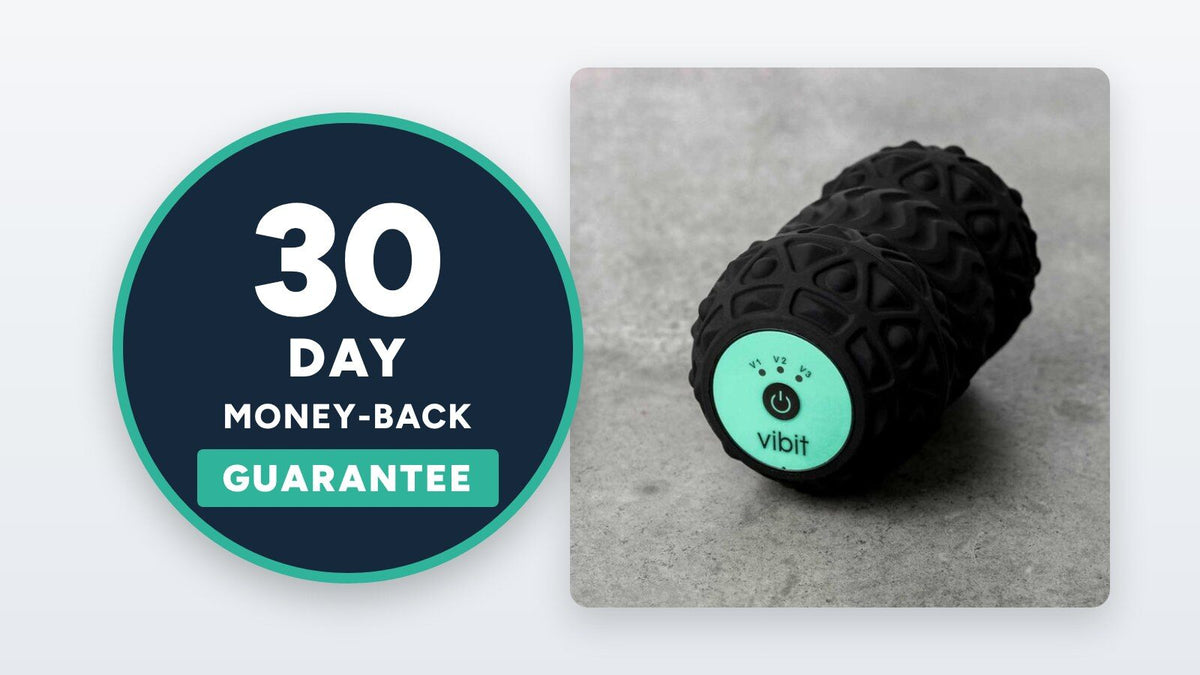
Every Vibit Roll comes with a 30-day money-back guarantee.
Use it every day for a month. If you don't feel a real difference, contact the Vibit team within 30 days and get your money back.
That's a lot less risk than another pair of custom orthotics that end up in a drawer.
There are two kinds of people reading this right now
One: those who close this page, buy another pair of insoles, and hope this time is different.
Two: those who finally treat what's actually going on.
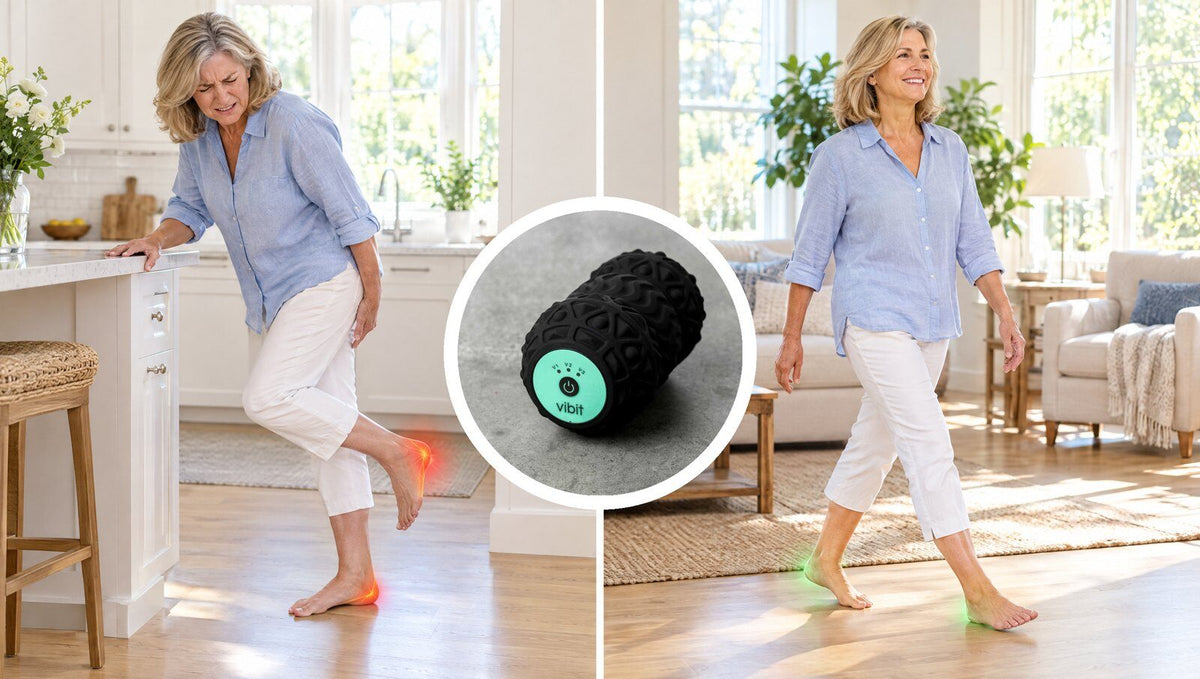
Imagine stepping out of bed in the morning without reaching for the nightstand.
Imagine walking through the grocery store without looking for the nearest bench.
Imagine wearing whatever shoes you want, and going barefoot at home again.
Imagine taking walking for granted again.
LIMITED TIME OFFER
Right now, Vibit is offering 40% OFF the Vibit Roll with FREE shipping, exclusively for readers of this article.
That includes my tutorial videos showing exactly how to use it for plantar fasciitis, plus the 30-day money-back guarantee.
Vibit makes the Roll in small batches, and it does sell out.
Here's your next step:
- Tap the button below to check availability.
- Choose how many. Most people get one for home and one for work, or a second for a partner who's on their feet all day.
- Use it for 10 minutes every morning and night for 30 days. If you don't feel a difference, get your money back.
How much longer are you going to let your heel decide how your day goes?
Comments












References
- Lemont H, Ammirati KM, Usen N. Plantar fasciitis: a degenerative process (fasciosis) without inflammation. J Am Podiatr Med Assoc. 2003;93(3):234-237.
- Trojian T, Tucker AK. Plantar fasciitis. Am Fam Physician. 2019;99(12):744-750.
- McMillan AM, et al. Ultrasound guided corticosteroid injection for plantar fasciitis: randomised controlled trial. BMJ. 2012;344:e3260.
- David JA, et al. Injected corticosteroids for treating plantar heel pain in adults. Cochrane Database Syst Rev. 2017.
- Landorf KB, Keenan AM, Herbert RD. Effectiveness of foot orthoses to treat plantar fasciitis: a randomized trial. Arch Intern Med. 2006.
- Mayo Clinic. Plantar fasciitis: diagnosis and treatment.
- Acevedo JI, Beskin JL. Complications of plantar fascia rupture associated with corticosteroid injection. Foot Ankle Int. 1998;19(2):91-97.
- Morel M, et al. Normal anatomy of the heel entheses: anatomical and ultrasonographic study of their blood supply. Surg Radiol Anat. 2005;27(3):176-183.
- Hansen L, et al. Long-term prognosis of plantar fasciitis: a 5- to 15-year follow-up study of 174 patients. Orthop J Sports Med. 2018;6(3).
- Gemeinsamer Bundesausschuss (G-BA). Extrakorporale Stoßwellentherapie kann zukünftig auch ambulant zur Fersenschmerz-Behandlung eingesetzt werden. Press release, April 19, 2018.
- IQWiG. Extrakorporale Stoßwellentherapie beim Fersenschmerz. Final report N15-06. 2017.
- Lundeberg T, et al. Vibratory stimulation compared to placebo in alleviation of pain. Scand J Rehabil Med. 1987;19(4):153-158.
- Maloney-Hinds C, et al. The effect of 30 Hz vs. 50 Hz passive vibration on skin blood flow. Med Sci Monit. 2008;14(3):CR112-116.
- On H, Yim J. Effects of local vibration combined with extracorporeal shock wave therapy in plantar fasciitis: a randomized controlled trial. J Rehabil Med. 2023;55.
- Koc TA, et al. Heel Pain – Plantar Fasciitis: Revision 2023. J Orthop Sports Phys Ther. 2023.
- Cheatham SW, Stull KR, Kolber MJ. Comparison of a vibration roller and a nonvibration roller intervention on knee range of motion and pressure pain threshold. J Sport Rehabil. 2019;28(1):39-45.
This is an advertisement for Vibit. The content is for general information only and is not medical advice. Results may vary. Talk to your doctor about ongoing heel pain.
Vibit Roll · 40% OFF today
Check Availability